Computers built with conviction.
Custom AMD builds from a workshop on Kallang Avenue. Gaming, office, workstation and compute. Tested before they leave.
16:9 placeholder
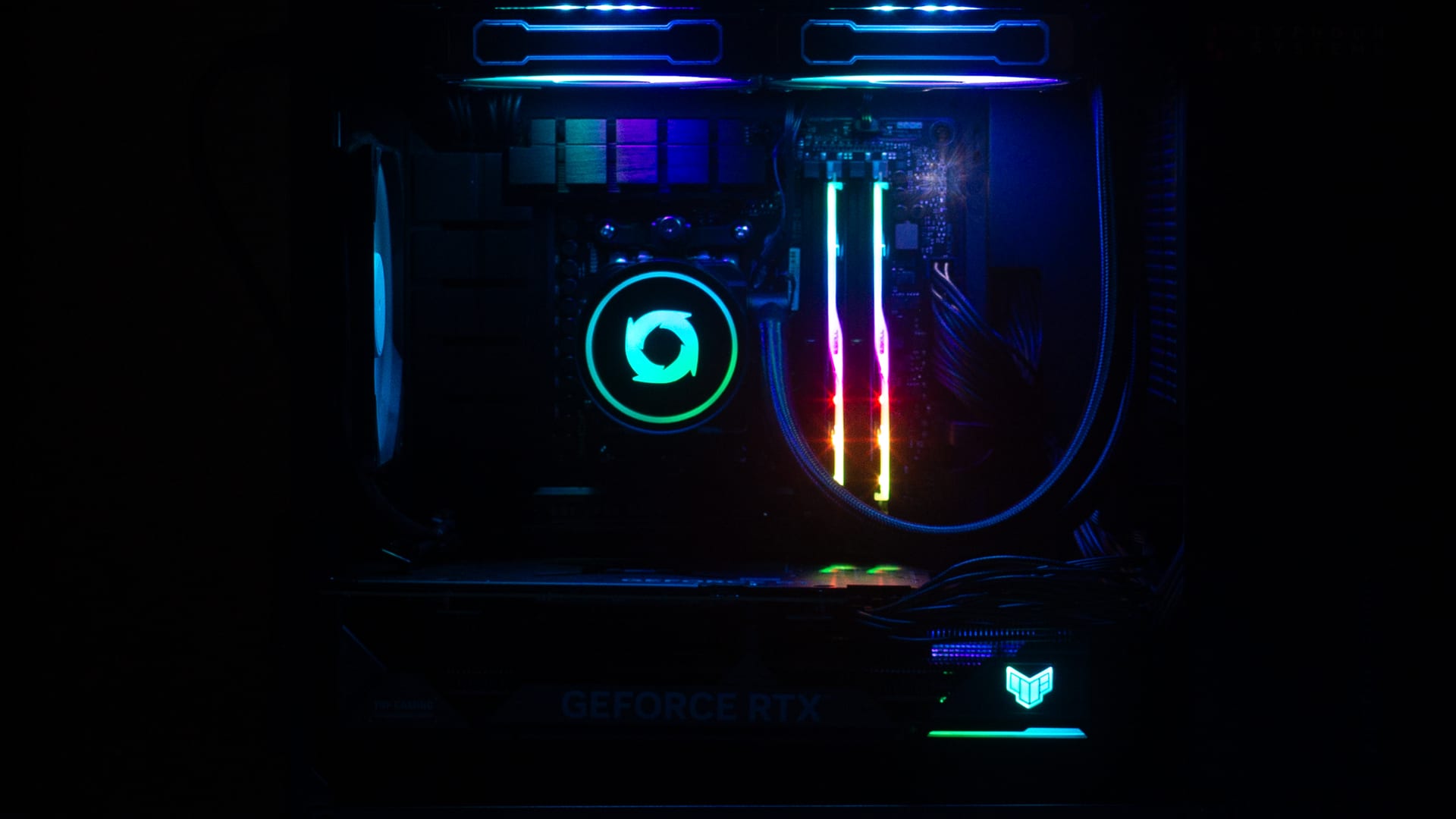
Games
Curated gaming builds. Cable management by hand. Twelve hours under load before it ships.
From$3,080
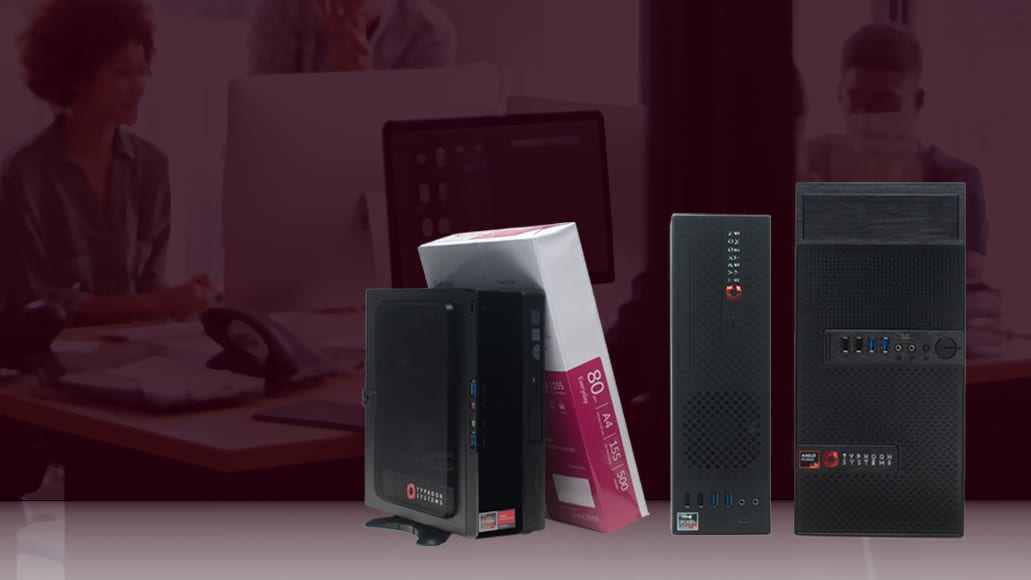
The office
Corporate systems with three years of on-site support, island-wide. One number to call.
From$1,490
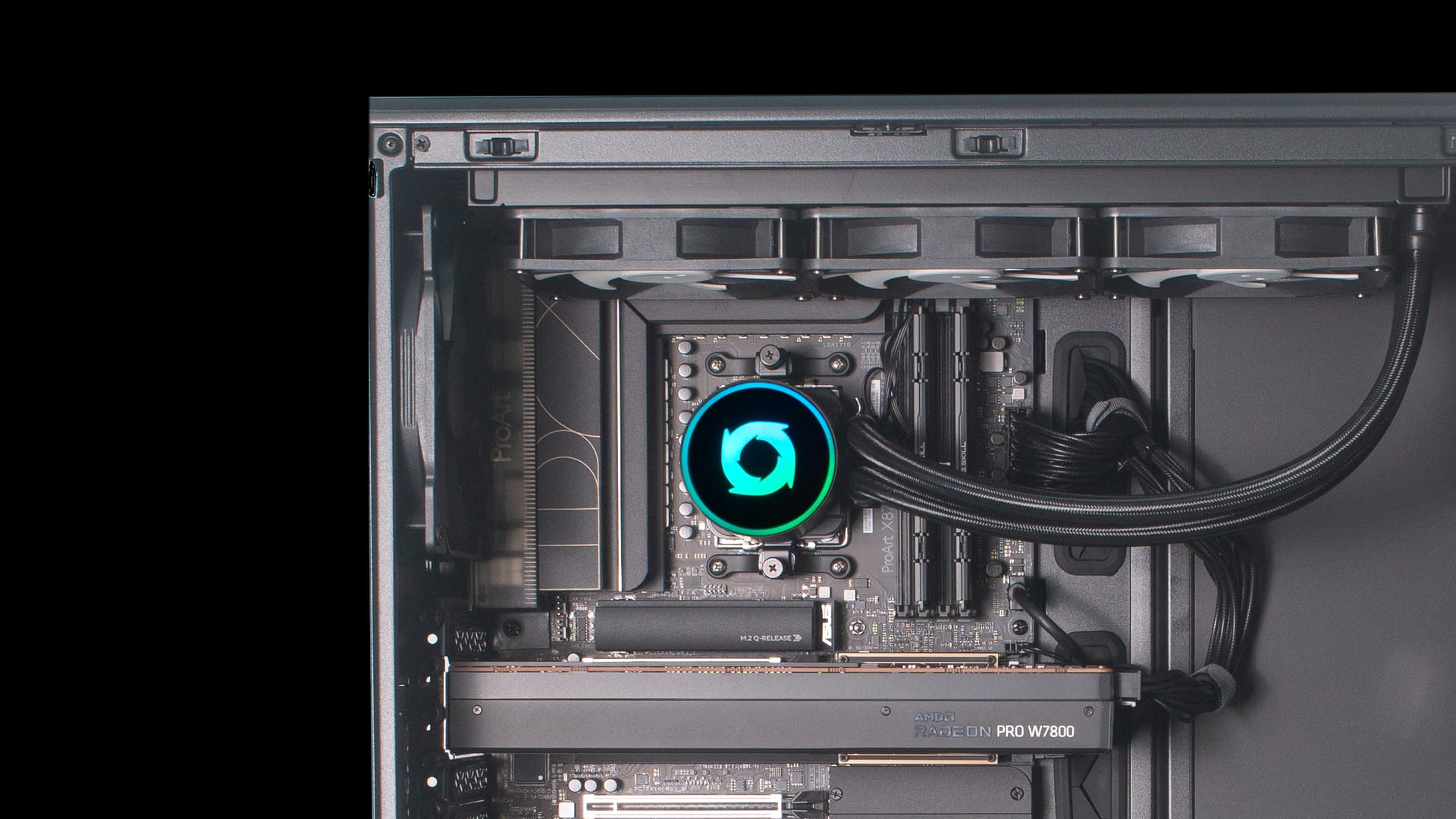
Professional software
Revit, Rhino, V-Ray, Lumion. Built for sustained load and tested for twelve hours before they leave Kallang.
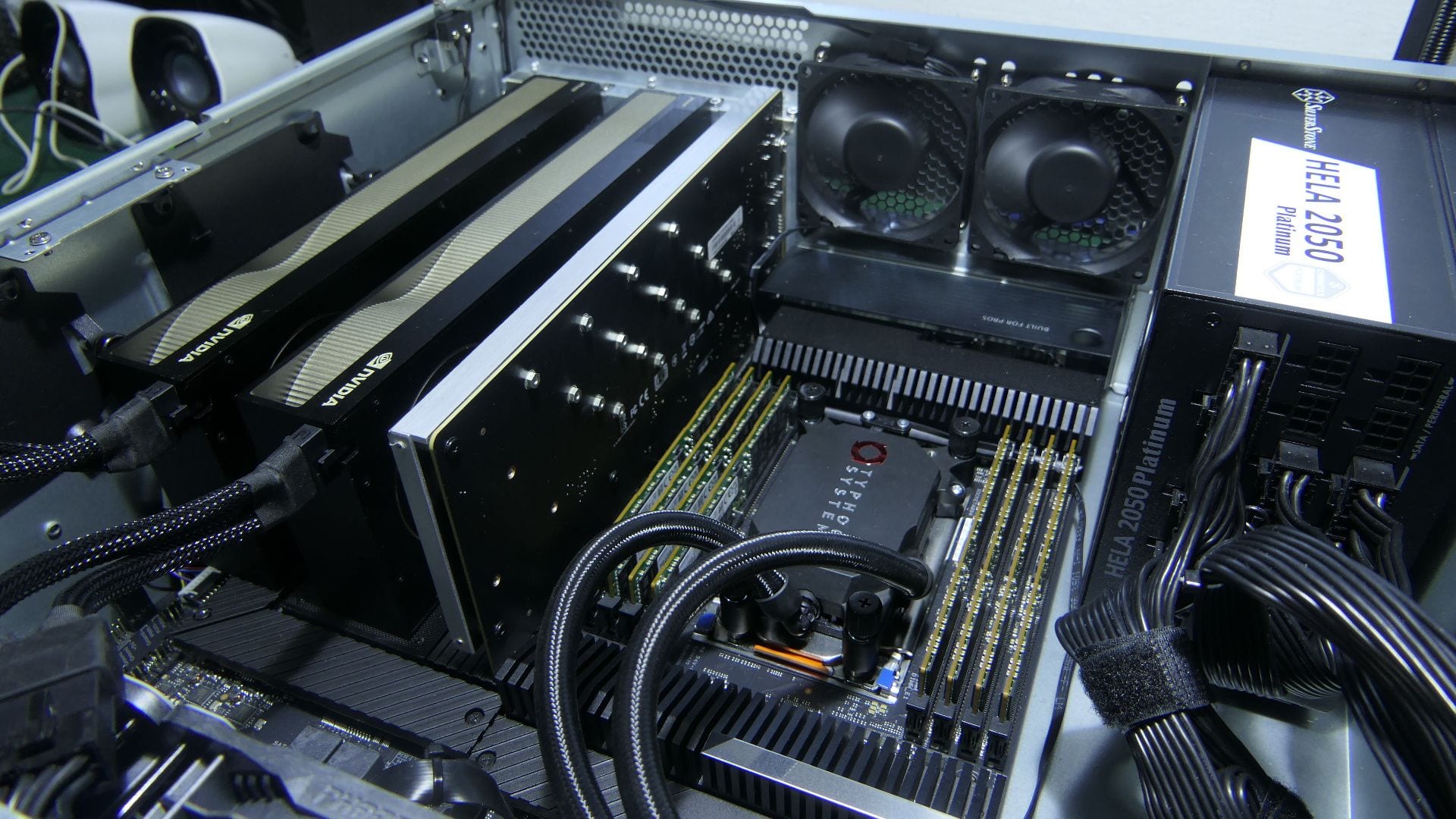
Compute
Four dual-slot cards. Registered ECC DDR5. Airflow sized for all of it at once.
AMD and nothing else. Since 2017.
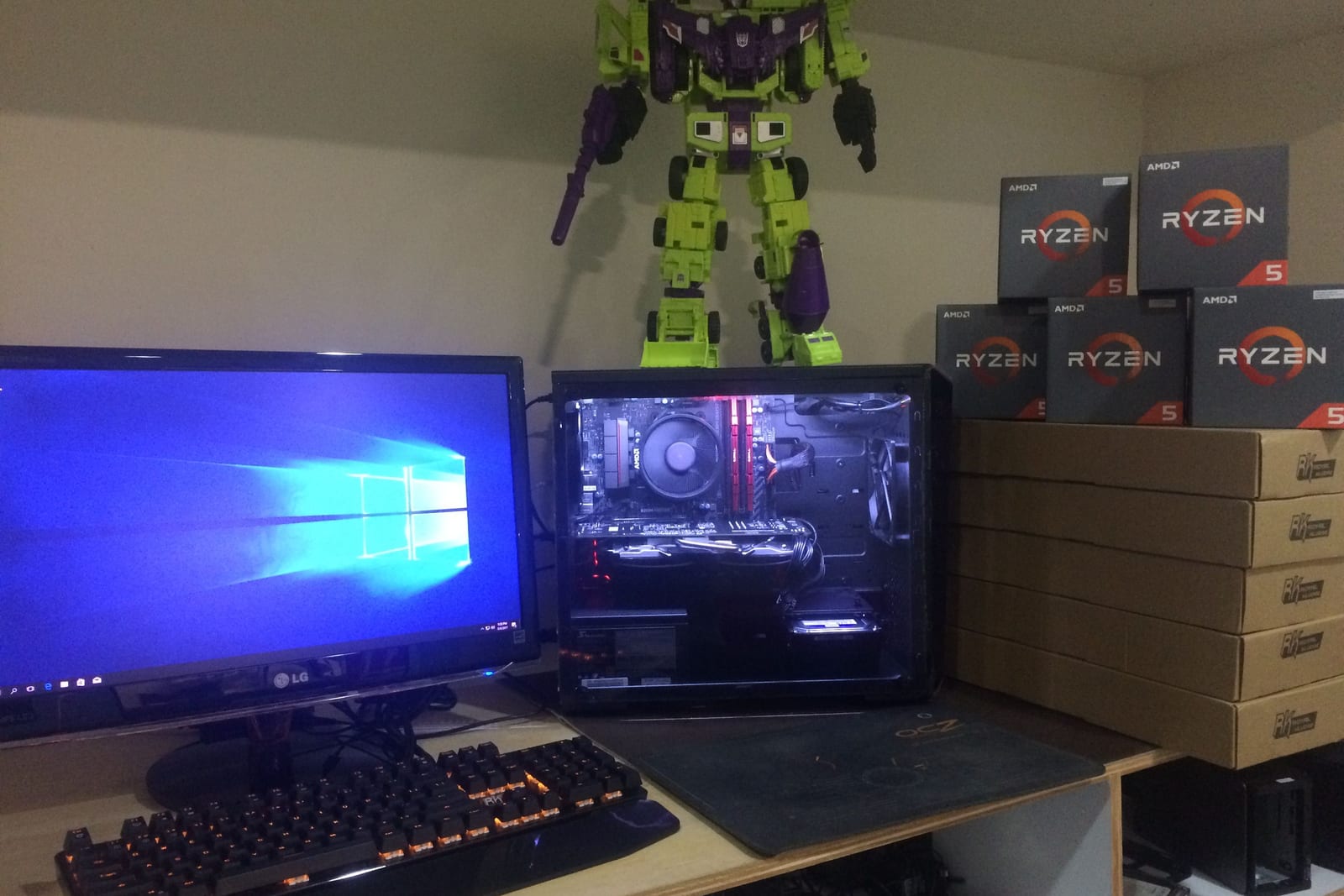
Born with Ryzen.
Typhoon started in 2017, the year AMD came back. We have built on nothing else since.
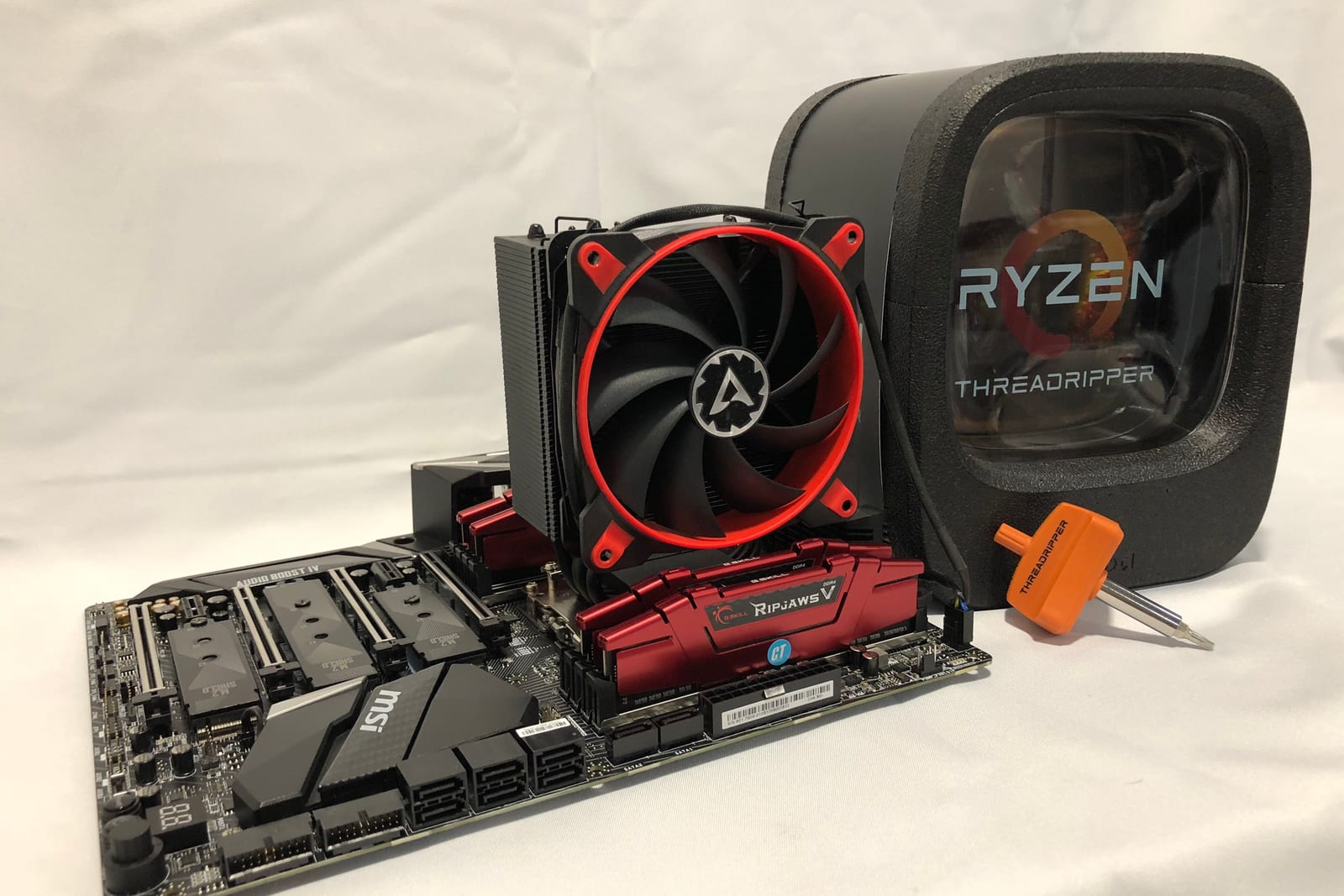
Our first Threadripper.
December 2017. Red before we had a brand guide.
Red October.
In September 2017 Andrew Yap came home from London looking for a render rig. He went to a builder at Bendemeer first, but we were the ones who understood what his work needed. We built it, and we named it. He has come back three times since.
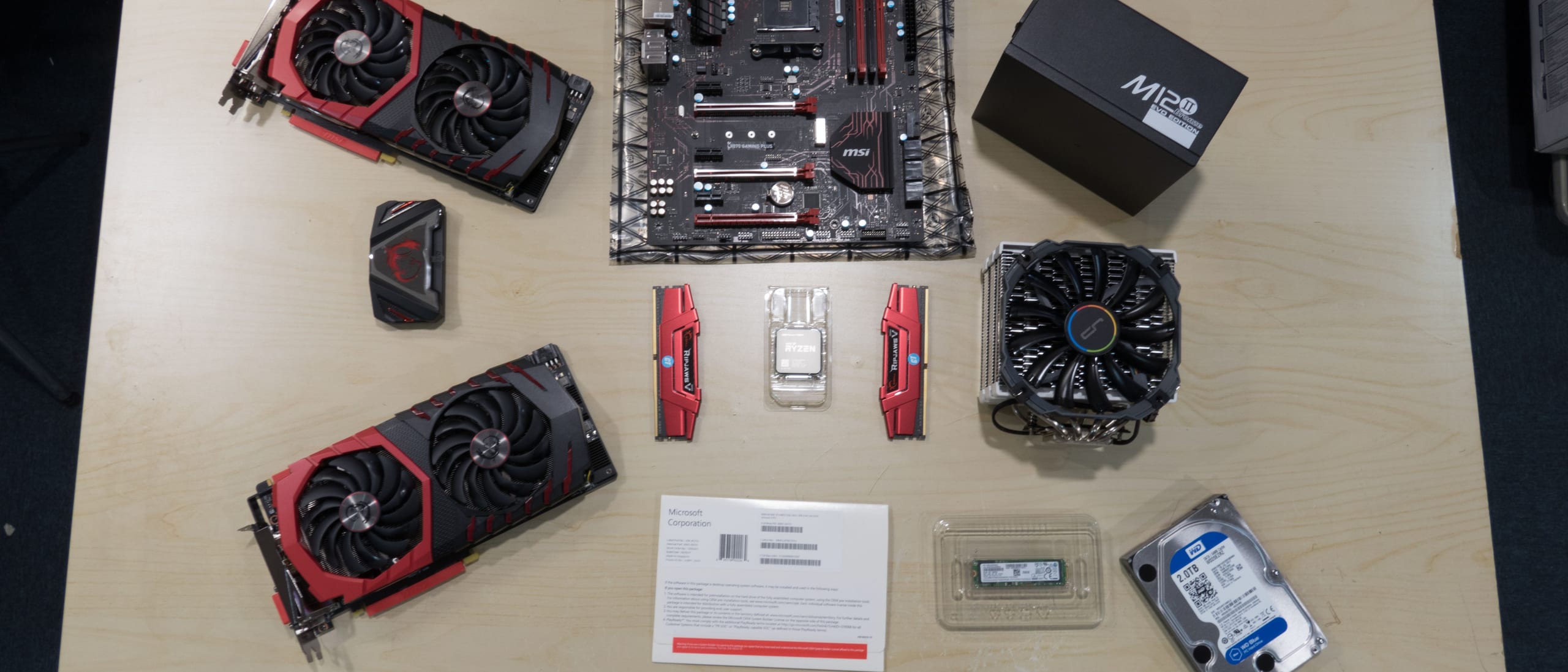
Our first dual GPU build.
Every part on the bench before a screw went in. September 2017.
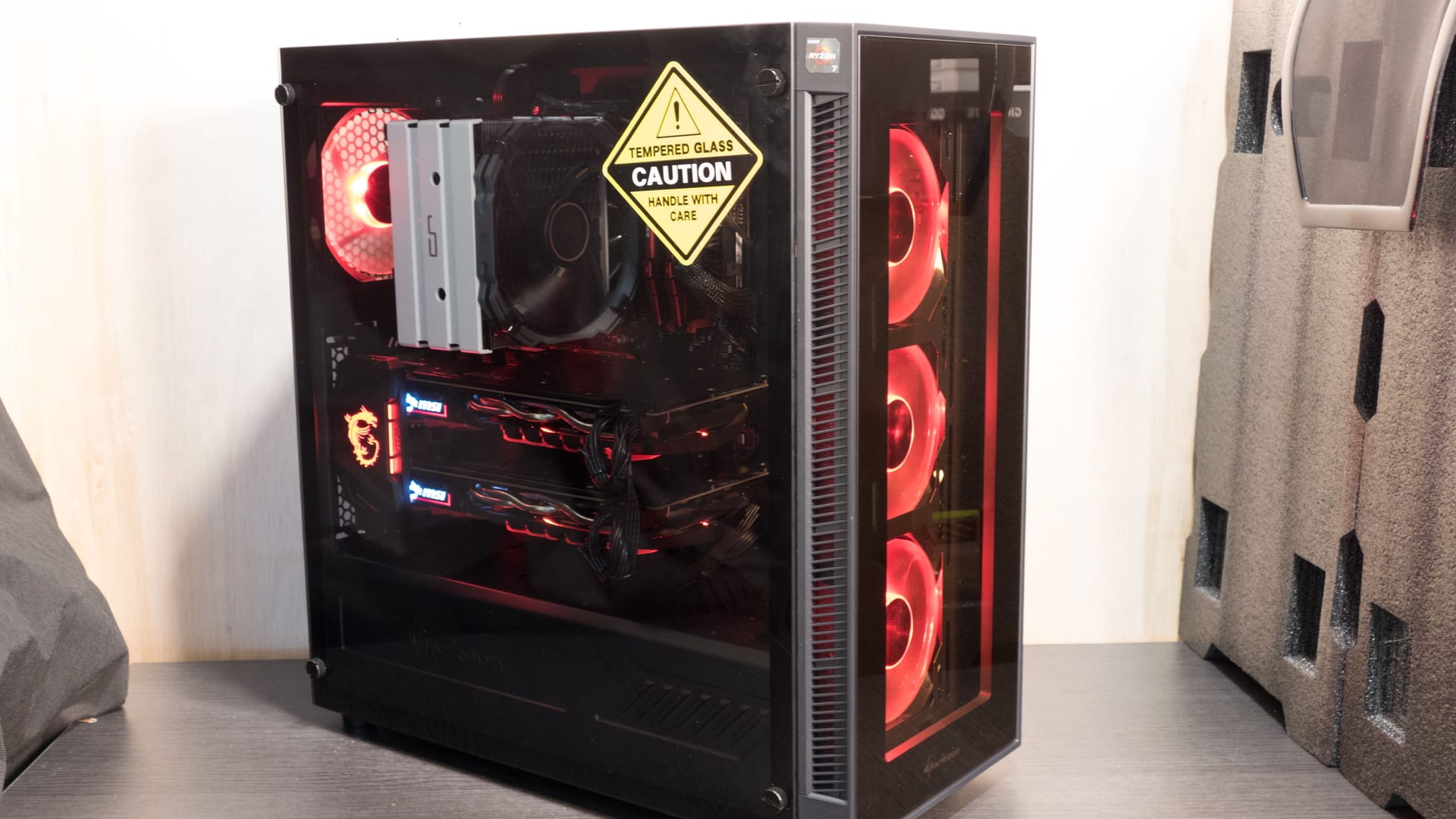
Red October. Ryzen 7, first generation. Two GeForce GTX cards. Built for Octane.
Mark II. Threadripper 2990WX. Two RTX 2080 Ti.
Mark III. Threadripper Pro 3975WX.
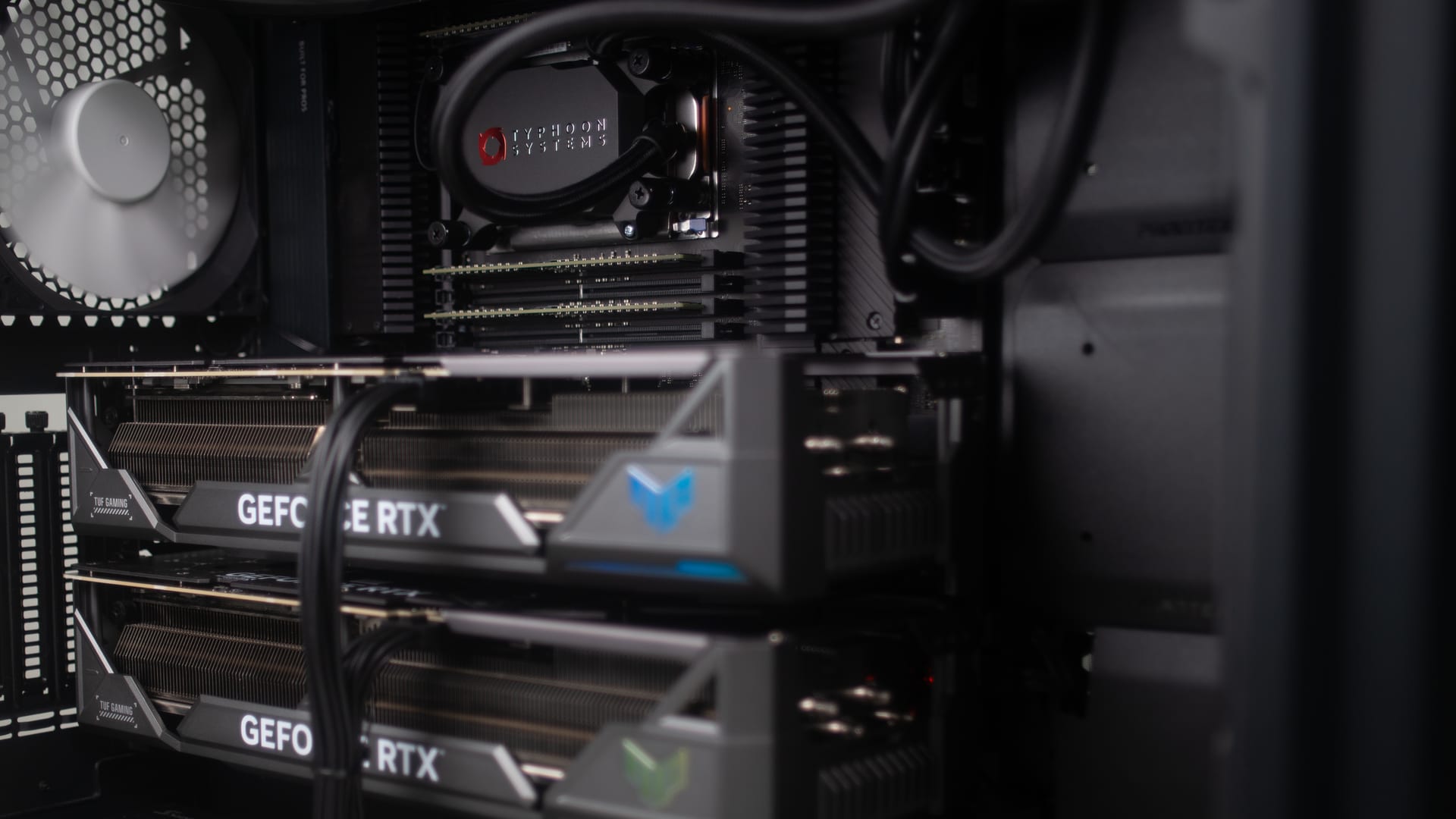
Two RTX 4090. Same machine. Same customer. Six years.
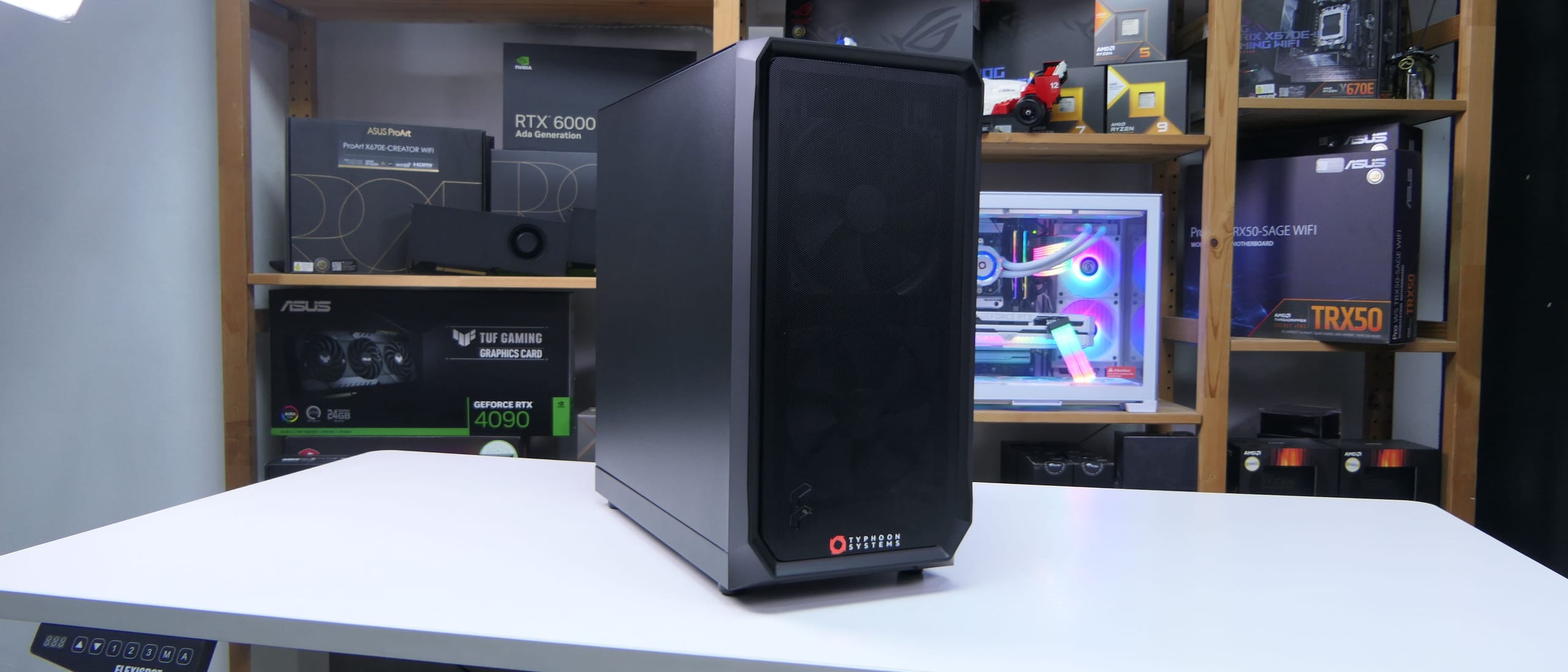
Built and tested at 22 Kallang Avenue.
Every part from a local authorised source. Drop by the workshop and we will show you a build. No appointment needed.
- IWe build on AMD only.Since the first Ryzen. If that ever stops being the right call, we will say so.
- IIEvery part is standard and replaceable.Bought at a counter, replaced by any competent shop, upgraded without asking us.
- IIIEvery build is tested before it ships.Twelve hours under load for gaming and high-performance builds. Ninety minutes for admin builds.
- IVEvery Typhoon has a builder.Ask who built yours and we will tell you.
- VThree years of warranty. One number to call.First year on-site, island-wide. Years two and three, carry-in to Kallang.